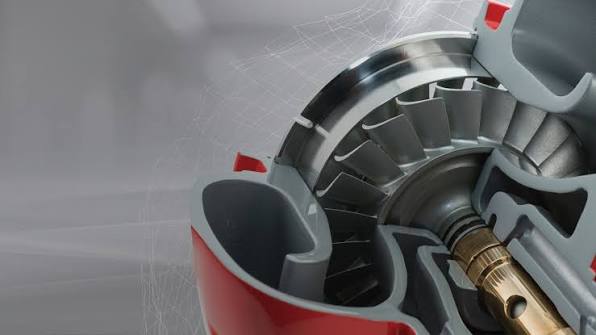
Turbocharger reliability determines a diesel generator's ability to deliver consistent power output and maintain fuel efficiency throughout its service life. A turbocharger failure transforms a routine operation into a catastrophic event, often requiring complete engine overhaul and causing extended downtime. These failures produce significant financial losses that far exceed preventive maintenance costs.
Engine performance depends directly on turbocharger durability. When the turbocharger operates reliably, the diesel engine achieves optimal combustion and stable power generation. Reliability also protects the engine from collateral damage that occurs when a turbocharger fails during operation. The longevity of the entire generator system hinges on this single component's performance. This article examines the mechanical factors governing turbocharger reliability, common failure modes threatening generator performance, and actionable maintenance practices that prevent these failures.
Why Turbocharger Reliability Matters for Diesel Generator Applications
Generator applications present a unique engineering challenge for turbochargers. Unlike automotive engines that experience varying speeds and loads, diesel generators operate at constant speed for extended periods. This continuous operation demands a different approach to reliability. A turbocharger designed for stop-and-go driving cannot withstand the sustained thermal and mechanical stress of round-the-clock power generation. This is why turbocharger reliability matters for diesel generator applications in ways that differ from mobile applications.
Forced Induction and Power Density
A naturally aspirated diesel engine draws air through the piston's downstroke, relying on atmospheric pressure. This process becomes inefficient at higher speeds, causing incomplete cylinder filling. A turbocharged diesel engine uses expanding exhaust gases to drive a turbine, forcing air into the combustion chamber at pressure above atmospheric. This forced induction increases the oxygen mass available, allowing more fuel to burn per stroke. The result is greater power density, meaning each piston stroke produces more usable power. The turbine extracts energy from exhaust flow that would otherwise go to waste, converting it into useful compression work.
A turbocharged engine can produce up to 40% more power than a naturally aspirated engine of the same displacement. This power advantage allows generator manufacturers to use smaller engines while maintaining required output. The turbocharger becomes essential for meeting power specifications without increasing physical size. This boost in engine power directly improves the generator's capability to handle demanding loads.
Kaidi generator turbochargers are specifically engineered for this continuous operation. Their heavy-duty structures resist thermal fatigue and mechanical loss that occur during long-term fixed-speed running. This proven durability ensures consistent boost delivery throughout the generator's operational lifetime. The design prioritizes long-term reliability over peak performance, recognizing that generator applications demand sustained output rather than brief bursts of power.
Fuel Efficiency and Combustion Optimization
Turbocharger performance directly influences combustion quality in diesel engines. Advanced turbocharger technologies improve air-fuel mixing and enable precise control of air-fuel ratios. Better fuel atomization leads to more complete combustion, which reduces emissions of particulate matter and nitrogen oxides. This combustion optimization translates directly into fuel savings for generator operators. Complete combustion also means less unburned fuel escapes through the exhaust system, maximizing the energy extracted from every drop of diesel.
A well-matched turbocharger enhances engine efficiency and extends the generator's lifespan. The high-efficiency compressor and turbine matching design in Kaidi turbochargers improves combustion efficiency, reduces fuel consumption rates, and lowers overall operating costs. Consistent boost pressure also plays an important role in maintaining generator efficiency under continuous operating conditions. When the turbocharger delivers consistent boost pressure, the engine maintains optimal performance without excessive fuel consumption.
An ill-suited turbocharger produces the opposite effect. Oversized or undersized units cause boost instability, increased fuel consumption, and reduced engine efficiency. This mismatch accelerates wear on engine components and shortens engine longevity. The financial impact of poor fuel efficiency compounds over thousands of operating hours.
For industrial power generation, engine efficiency represents a direct operating cost. Kaidi turbochargers optimize combustion efficiency and air delivery consistency, helping diesel generator engines maintain stable power output during continuous operation. This consistent performance under load ensures that generators meet their rated specifications while minimizing fuel expenses. The combination of improved efficiency and reduced emissions makes turbocharger selection a critical decision for diesel engine performance and engine longevity. Understanding why turbocharger reliability matters for diesel generator applications helps operators make informed maintenance decisions that protect their investment.
Key Reliability Factors for Turbochargers
Turbocharger reliability depends on several mechanical factors that determine whether a unit survives years of continuous operation or fails prematurely. Two factors dominate the list: thermal stress management and oil supply integrity. Both directly influence engine performance, fuel efficiency, and the overall longevity of the generator system.
Thermal Stress and Heat Management
Heat management stands as the primary challenge for turbochargers in generator applications. Sustained high exhaust temperatures during continuous operation create extreme conditions inside the turbine housing. The table below shows typical temperature ranges that stress turbocharger components:
Operational Condition | Exhaust Gas Temperature |
High-load operations | Frequently exceeding 1050°C |
Transient operations | Often exceeding 1050°C |
High-load conditions | Reaching temperatures exceeding 1050°C |
These temperatures cause thermal fatigue, cracking, and material degradation in the turbine housing over time. The repeated heating and cooling cycles during generator start-up and shutdown create stress points that eventually weaken the metal structure. A turbocharger engineered for continuous duty uses heavy-duty materials that resist this thermal cycling. This durability directly protects engine power output and prevents unexpected failures.
Kaidi generator turbochargers employ high-temperature alloys and precision cooling channels to manage heat effectively. The design distributes thermal load evenly across the housing, reducing localized stress concentrations. Proper heat management also preserves the efficiency of the turbine wheel, ensuring consistent boost pressure throughout the generator's operational life.
Oil Supply and Bearing Integrity
Consistent oil pressure and flow are essential for bearing lubrication and cooling. The turbocharger shaft spins at extremely high speeds, and the bearings must maintain a thin oil film to prevent metal-to-metal contact. Contaminated or degraded oil represents a leading cause of premature turbo failure.
Dirty oil carries abrasive particles that score bearing surfaces and accelerate wear.
The failure progression follows a predictable pattern:
1. Hard particulates or metal contact score the soft bearing material, accelerating wear.
2. When oil is contaminated with high levels of soot or metal particles, the bearings become overloaded.
3. The abrasive oil wears away the soft overlay, exposing the copper or steel backing.
4. Without that protective layer, the crankshaft journal begins to grind against the bearing shell.
This sequence destroys the turbocharger and often damages the diesel engine itself. Regular oil analysis detects metal particles early, allowing operators to address bearing wear before catastrophic failure occurs. Maintaining clean oil at proper pressure preserves engine efficiency and extends the lifespan of both the turbocharger and the generator. Proper turbocharger sizing also matters—an oversized or undersized unit causes boost instability, increased fuel consumption, and reduced engine efficiency. A correctly matched turbocharger delivers stable power and protects the entire system.
Common Failure Modes and Performance Impact

Turbocharger failures follow predictable patterns. Understanding these common causes of turbocharger failure helps operators recognize warning signs before minor issues escalate into catastrophic damage. Each failure mode carries distinct symptoms and consequences for generator performance.
Bearing Failure and Rotor Imbalance
Bearing failure represents the most frequent turbocharger breakdown. Insufficient lubrication, oil debris, and sludge accumulation accelerate bearing wear under high-speed conditions. Contaminated oil introduces abrasive particles that score bearing surfaces. Fuel dilution reduces oil viscosity, degrading the protective film between bearing surfaces and shaft journals. These conditions create metal-to-metal contact that destroys the bearing.
Early warning signs include grinding noises, high-pitched whining, and excessive vibration. A worn bearing allows the rotor to shift from its balanced position. This rotor imbalance produces a cascade of damage:
1. Rotor imbalance causes high-speed vibration.
2. Vibration increases friction, which generates heat.
3. Heat breaks down the thin oil film separating bearings from the shaft.
4. Once the oil barrier fails, metal-to-metal contact begins.
5. This leads to bearing wear and eventual failure.
6. Continued vibration transfers stress into the housing and can crack the turbine or compressor wheel, resulting in catastrophic destruction.
An imbalance will decrease the turbocharger's longevity by placing major stresses on the bearings, and it can also increase noise from the turbo.
This destruction affects more than the turbocharger itself. Metal fragments enter the engine oil system, damaging other components. The resulting downtime and repair costs far exceed preventive maintenance expenses. Regular oil analysis detects metal particles early, preserving both turbocharger durability and engine power output.
No-Load Operation and Oil Starvation
Running a diesel generator at no load creates a specific reliability hazard. Extended idle periods produce insufficient oil flow and heat dissipation. Low exhaust temperatures prevent complete combustion, leaving unburned fuel and carbon deposits that form sludge. This sludge hardens into coke at high temperatures, leading to bearing and shaft wear.
Caterpillar guidelines recommend running a generator at a minimum of 30% load for 30 minutes after every 4 hours of light load operation. This "burn off" period clears carbon deposits and reseals rings. Maintaining a 70-80% load remains the primary goal for durability, as turbochargers rely on consistent heat to prevent metal fatigue and cracking.
Turbocharger lag also affects generator frequency stability during load imbalances. When a large load suddenly connects, the turbocharger requires time to spool up and deliver boost. This delay causes momentary frequency dips that disrupt sensitive applications like data centers. Consistent load management prevents these fluctuations and maintains stable power output. Operators who follow proper loading procedures protect both turbocharger reliability and overall generator performance.
Best Practices for Ensuring Turbocharger Longevity

Proper Shutdown and Cooldown Procedures
The 3-5 minute cooldown period after full-load operation prevents turbocharger damage through a well-understood thermal mechanism. During full-load operation, the turbocharger retains extreme residual heat. Shutting down the engine immediately stops the oil supply while this heat persists. The oil within the bearing housing then undergoes thermal degradation known as coking. This process produces abrasive carbon deposits that damage bearings and shorten diesel engine life. The idle period allows the turbocharger rotational speed to decrease and component temperatures to equalize, preserving engine power and performance. Oil continues circulating during this time, carrying heat away until safe thermal levels are reached.
Operators should allow the turbocharger to idle for 3-5 minutes after full-load operation before shutting down the engine. This simple procedure prevents oil coking and thermal shock to the bearings.
Load management directly affects turbocharger health. Prolonged no-load operation causes insufficient oil flow and heat dissipation in the diesel engine. Low exhaust temperatures prevent complete combustion, leaving carbon deposits that form sludge. Operators should exercise generators under load regularly to maintain system health and prevent carbon buildup. Maintaining a 70-80% load during normal operation preserves power output, durability, and system efficiency.
For diesel generator installations in extreme environments, additional precautions preserve turbocharger longevity. Above 3,000 meters altitude, operators should adjust the turbocharger to compensate for oxygen loss. In desert or dusty environments, cyclone pre-filters prevent abrasive particles from entering the intake system. These adjustments prevent premature wear and maintain consistent power.
Scheduled Maintenance and Oil Analysis
Regular oil analysis provides the most effective predictive maintenance tool for engine efficiency, performance, and overall reliability. This analysis detects bearing wear before catastrophic failure occurs. Key parameters include ferrous particle count for bearing debris, elemental spectroscopy for metals like silver from bearings and copper from bushings, and viscosity changes. High viscosity may result from soot contamination, causing restricted oil flow. Low viscosity may come from fuel dilution, leading to poor lubrication. Both conditions indicate bearing wear.
Proper system matching also influences maintenance intervals. Overspeeding increases stress on pistons, rods, and head gaskets, reducing power. High exhaust gas temperatures warp cylinder heads and damage bearings. Oil starvation remains a leading cause of lubrication problems. Mismatched components cause airflow imbalance and reduced efficiency. Poor ECU tuning leads to lean running and detonation. Custom tuning safeguards diesel engine health. Kaidi units are engineered with precise pressure regulation components that adapt to different generator sets, reducing these risks.
Diesel generator power output, fuel efficiency, and engine longevity depend on turbocharger dependability. Proactive maintenance costs—regular oil analysis, proper cooldown, and scheduled inspections—remain negligible compared to a turbocharger failure expense. Such failure often results in collateral damage and downtime. This explains why turbocharger reliability matters for diesel generator applications.
Turbocharger durability translates to power continuity and safety for critical applications like data centers, industrial facilities, and emergency standby systems. Operators should assess maintenance protocols and consult professional turbocharger specialists. Kaidi provides diesel applications solutions optimized for maximum power and efficiency. These turbocharger units deliver proven durability and long-term reliability. They ensure sustained diesel engine performance, consistent power output, and engine efficiency. Understanding why turbocharger reliability matters for diesel generator applications protects power stability and diesel engine longevity. Reliability is a choice for power system stability, not a matter of chance.



 Login
Login