

 Login
Login
Industry News4 min reading time | 26/02/2025
The correct method and precautions for replacing the exhaust turbocharger
Find out more about our news >

A farmer guides a tractor through deep, wet soil. The engine strains, losing power on the steep incline. This struggle ends with a turbocharger. This device forces more air into the engine, transforming weak performance into steady, reliable force.
Agricultural vehicle turbochargers for heavy-duty tractor applications deliver significant power and torque gains. They improve fuel efficiency and reduce emissions. These systems enhance reliability in demanding conditions. Turbochargers in the agricultural sector support various applications, from plowing to hauling. The engine responds quickly under variable loads. This machinery handles heavy equipment applications with ease. Other heavy equipment applications benefit equally.
This article explains turbocharging principles, practical applications, and maintenance tips. Readers gain knowledge for informed equipment decisions.

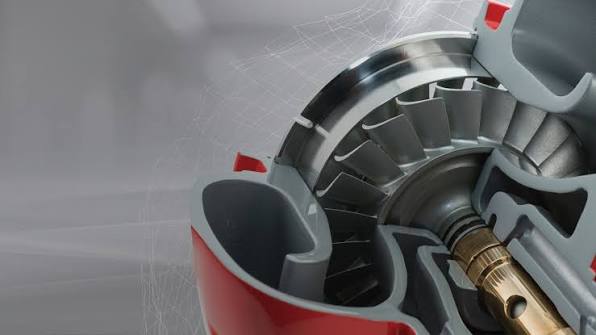
A turbocharger captures waste energy from exhaust gases. These gases spin a turbine wheel. That turbine drives a compressor on the same shaft. The compressor pulls in ambient air, compresses it, and forces it into the engine's intake manifold. This process, called forced induction, packs more oxygen into each cylinder. More oxygen means more fuel can burn completely. The result is a substantial power increase without enlarging the engine itself. Different agricultural vehicle turbocharger designs are engineered to meet the airflow and load requirements of different farming applications.
Boost pressure measures this forced air. For example, the Detroit Diesel Series 71 engine, common in agricultural equipment, operates with a boost range of 5 to 15 psi (34 to 103 kPa). The exact pressure depends on engine load and speed. At idle, boost stays low. Under heavy pulling, the turbocharger spins faster and delivers maximum pressure. This variable response gives tractors the extra muscle they need when implements dig deep into tough soil.
The turbocharger system relies on several precision components working together. The turbine housing receives hot exhaust gases and directs them onto the turbine wheel. This wheel converts exhaust flow into rotational energy. The compressor wheel, mounted on the opposite end of the shaft, pressurizes incoming air. A wastegate regulates boost pressure by diverting excess exhaust gas away from the turbine, preventing overboost conditions that could damage the engine.
The Center Housing Rotating Assembly (CHRA) forms the core of the turbocharger. It contains the shaft, bearing systems, and sealing mechanisms. The CHRA houses the oil feed and drain passages that supply lubrication and cooling. Under high-temperature agricultural operations, this oil flow reduces friction and dissipates heat. When the engine shuts down, heat soak can transfer residual warmth to the center housing. This heat can cook the oil and create carbon deposits. Traditional oil lubrication alone may not suffice. Auxiliary liquid cooling circuits protect the center housing from thermal stress. Coolant pipes, made of high-grade stainless steel, handle extreme vibrations and prevent leaks. These components ensure continuous cooling and maintain oil integrity across all working seasons. Proper maintenance of these parts keeps agricultural turbochargers reliable for years of demanding service.
A turbocharger transforms a standard diesel engine into a high-output workhorse. The forced induction system pushes compressed air into the cylinders. This extra oxygen allows the engine to burn more fuel completely. The result is a significant increase in engine power output. Agricultural vehicle turbochargers for heavy-duty tractor applications can substantially boost power. This gain makes a critical difference in the field.
Consider a tractor pulling a heavy plow through compacted clay soil. Without a turbocharger, the engine may bog down and lose speed. The operator must downshift, losing time and productivity. A turbocharged engine maintains steady power across the operating range. It delivers strong low-speed torque when the load is highest. This torque allows the tractor to pull through tough spots without shifting. The operator maintains momentum and completes the job faster.
The power increase comes from better cylinder filling. A naturally aspirated engine relies on atmospheric pressure to draw air. This pressure limits the amount of air available for combustion. A turbocharger forces air into the cylinders at pressures well above atmospheric. This forced induction allows the engine to produce more power from the same displacement. The engine does not need to be larger or heavier to generate more output.
This power boost is essential for heavy equipment applications. Heavy equipment applications demand consistent torque at low speeds. Large implements like chisel plows, disk harrows, and deep rippers require substantial pulling force. The turbocharger delivers this torque by maintaining boost pressure even when the engine lugs down. The engine responds quickly when the operator increases throttle. This responsiveness improves productivity in variable field conditions.
The performance gains extend to other heavy equipment applications as well. Agricultural transport vehicles haul heavy loads over uneven terrain. Turbocharged engines provide the extra power needed for climbing hills and maintaining road speed. The improved torque curve makes the vehicle easier to operate. The driver does not need to shift gears as frequently. This reduces driver fatigue and improves overall efficiency.
The robust design of agricultural vehicle turbochargers for heavy-duty tractor applications ensures reliable operation in these demanding conditions. The turbocharger withstands high temperatures and continuous heavy loads. The system delivers consistent power day after day.
Turbocharging improves tractor fuel efficiency through better combustion. The forced air allows the engine to burn fuel more completely. Less unburned fuel leaves the exhaust. This complete combustion extracts more energy from each gallon of diesel. The process produces the same amount of work with less fuel. Fuel efficiency improvements directly reduce operating costs for the farmer.
The unit operates at a higher efficiency with a turbocharger. The air-fuel mixture burns more evenly and completely. This reduces soot and particulate matter. The exhaust contains fewer pollutants. Turbocharged engines can improve combustion efficiency, leading to reduced emissions of some pollutants, helping meet environmental regulations.
The efficiency gain also reduces the thermal load on the engine. Lower exhaust temperatures mean less heat stress. The system lasts longer and requires fewer repairs. The turbocharger captures waste energy from the exhaust. This energy would otherwise be wasted as hot gases. The system converts this energy into useful work. This makes the overall cycle more efficient.
The combustion process becomes more efficient across the entire operating range. The turbocharger adjusts boost pressure to match the load. At light loads, the turbocharger provides minimal boost. At heavy loads, it delivers maximum pressure. This variable response ensures that it always operates at its best efficiency point. No fuel is wasted at any condition.
These benefits apply to a wide range of applications. Tractors, harvesters, and agricultural transport vehicles all gain from improved fuel efficiency. The reduced emissions help farmers comply with regulations in all applications. The lower fuel consumption reduces operating costs. The combination of power and efficiency makes turbocharging a valuable technology for modern farming.

Primary tillage demands maximum pulling force from a tractor. Deep plowing, subsoiling, and heavy disking require sustained torque at low engine speeds. A naturally aspirated engine often struggles in these conditions. The turbocharger changes this dynamic completely. It delivers strong low-speed torque that keeps the implement moving through tough soil. This torque comes from the optimized turbine aerodynamic design found in agricultural vehicle turbochargers for heavy-duty tractor applications.
The engine produces this torque without excessive strain. The turbocharger forces more air into the cylinders, allowing complete fuel combustion. This process generates additional power exactly when the load increases. A tractor pulling a five-bottom plow through clay soil maintains its ground speed. The operator does not need to downshift or reduce working depth. This consistent performance translates directly into more acres covered per hour.
High-horsepower tractors rely heavily on turbocharging. These machines handle the largest implements in modern farming. The turbocharger must withstand continuous operation at high boost levels. Engineers design these units with robust bearings and heat-resistant materials. The housing resists corrosion from exhaust gases and physical damage from field debris. This durability ensures the turbocharger survives season after season of demanding work.
The power curve of a turbocharged engine suits tillage operations perfectly. Boost pressure builds quickly as the engine loads up. This response gives the operator immediate pulling power when the implement encounters resistance. The engine does not bog down or lose momentum. This characteristic separates turbocharged tractors from their naturally aspirated counterparts. Farmers notice the difference immediately when working heavy ground.
Modern farms use a wide range of specialized implements. Air seeders, sprayers, and fertilizer applicators each present unique power demands. These implements create variable loads that change constantly during operation. A turbocharger handles these fluctuations smoothly. The system adjusts boost pressure automatically to match the current load. This adaptability makes turbocharger applications essential for modern farming operations.
Consider a tractor pulling an air seeder across uneven terrain. The load varies with soil density, slope, and seed depth. The turbocharger responds instantly to these changes. The engine maintains stable power output without surging or hesitation. This stability protects the implement and ensures uniform seeding depth. The operator focuses on steering and monitoring rather than constant throttle adjustments.
Agricultural vehicle turbochargers for heavy-duty tractor applications also serve harvesters and transport vehicles. Combines require reliable power during grain harvesting. The engine operates at high load for extended periods. The turbocharger maintains consistent performance throughout the day. Transport vehicles haul grain from field to storage. These vehicles travel on rough roads and steep grades. The turbocharger provides the extra power needed for these demanding conditions.
The design of these turbochargers addresses the harsh realities of agricultural machinery applications. Dust and dirt pose constant threats to engine components. Engineers incorporate filtration systems that protect the compressor wheel. The housing seals prevent contamination from entering the bearing system. These features ensure reliable operation in dusty, uneven terrains. The turbocharger maintains its performance even when working in extreme conditions.
Variable load operations benefit from the turbocharger's efficiency across the entire operating range. At light loads, the system provides minimal boost. This reduces fuel consumption and emissions. At heavy loads, maximum boost delivers the required power. This efficiency across all conditions reduces operating costs. The farmer spends less on fuel while completing more work. This combination of power and efficiency makes turbocharging a smart investment for any agricultural operation.
The versatility of these systems extends to other heavy equipment applications. Industrial agricultural engines in irrigation pumps and grain dryers also use turbochargers. These applications demand reliable power in remote locations. The simple, reliable structure of these turbochargers ensures minimal maintenance. This reliability keeps equipment running when it matters most. Farmers depend on this machinery during critical planting and harvest windows.
Regular maintenance keeps agricultural turbochargers operating at peak efficiency. Clean air filters stand as the first line of defense. Dirt and debris entering the compressor at sub-sonic speed erode inducer blade tips. This erosion blasts the inside of the compressor wheel and housing. Farmers should inspect air filters before each work shift. They should replace filters according to the manufacturer's schedule. A clean filter prevents foreign object damage that leads to premature failure.
Proper oil supply protects the precision bearing surfaces inside the turbocharger. These bearings operate with tolerances of 2-3 ten-thousandths of an inch. Abrasive particles passing through oil filters down to 30 microns can wear these surfaces. Oil filter bypass systems can recirculate unfiltered oil. This contaminated oil damages the bearings. Operators must change engine oil and filters at recommended intervals. They should use the oil grade specified in the operator's manual.
Hot shutdowns present another danger. Maximum exhaust temperatures occur during shutdown. The turbine housing acts as a heat sink. It cooks trapped oil inside the center housing. This process forms hard coke deposits. These deposits plug internal oil passages. They reduce oil supply to critical areas. Operators should let the engine idle for several minutes after heavy work. This cooling period allows the turbocharger to cool gradually. The practice prevents oil coking and extends turbocharger life.
Agricultural turbochargers feature a simple, reliable structure. This design keeps maintenance costs low. Regular checks remain vital for durability across all working seasons. Farmers should inspect the turbocharger during routine service. They should listen for unusual noises. They should check for oil leaks around the housing. These simple checks catch problems early.
Service records reveal three common failure causes. The table below summarizes these issues.
Cause | Mechanism | Impact on Turbocharger |
Foreign Object Damage (FOD) | Dirt and debris enter the compressor at sub-sonic speed, eroding inducer blade tips | Blasts the inside of the compressor wheel and housing, leading to premature failure |
Oil-related issues (contaminated oil or oil starvation) | Abrasive particles pass through oil filters (down to 30 microns) or oil filter bypass recirculates unfiltered oil | Wears down precision bearing surfaces (tolerances of 2-3 ten-thousandths of an inch), causing premature failure |
Hot shutdowns (oil coking) | Engine shut down quickly after high power operation; turbine housing acts as heat sink, cooking trapped oil | Forms hard coke deposits that plug internal oil passages, reducing oil supply to critical areas |
Operators can troubleshoot these issues with systematic checks. A loss of power often signals a clogged air filter. A whining noise may indicate bearing wear. Blue exhaust smoke suggests oil leaking into the combustion chamber. Each symptom points to a specific maintenance need.
The engine depends on the turbocharger for consistent performance. Regular maintenance protects this critical component. Farmers who follow these practices keep their machinery running through every season. They avoid costly downtime during planting and harvest. They protect their investment in heavy equipment applications. These maintenance habits apply across all applications. They ensure reliable power for every task.
Turbocharging transforms modern agricultural tractors into efficient, powerful machines. The technology delivers substantial power and torque gains while improving fuel efficiency and reducing emissions. These benefits make turbochargers essential for heavy-duty farming applications.
Proper maintenance ensures long-term reliability and strong return on investment. Clean filters, quality oil, and proper shutdown procedures protect the engine and turbocharger system.
The future of turbocharging aligns with emerging technologies. Biodiesel, representing approximately 48.5% of the biofuel tractor market, works effectively with existing turbocharged diesel engines. Blends up to B20 or B50 reduce greenhouse gas emissions without major modifications. Emission testing on turbocharged engines shows:
· CO2, CO, and SO2 emissions decrease with higher biodiesel percentages
· O2 and NO levels increase correspondingly
Turbocharging remains a cornerstone of productive, environmentally responsible farming.