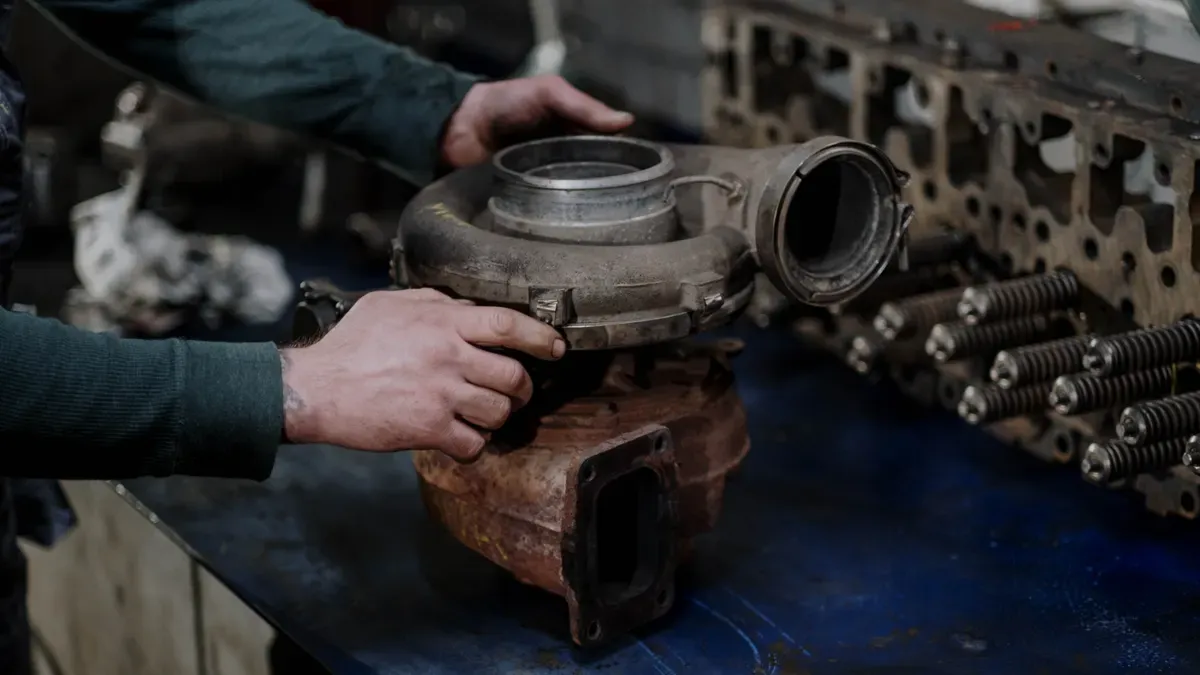
Managing a modern commercial fleet requires dependable mechanical components. Choosing the right heavy duty turbocharger supplier directly impacts vehicle uptime, fuel efficiency, and overall operating costs. Operational leaders often face costly downtime from component failure. Therefore, proper turbo brand selection determines long-term engine profitability. Maintenance directors must evaluate every supplier based on OEM-level precision across engine platforms like Cummins, Volvo, Detroit Diesel, and PACCAR. A top supplier provides rapid inventory fulfillment alongside expert technical support. Inspecting reliable turbocharger brands ensures peak performance under heavy loads. Ultimately, securing a quality brand partner protects fleet operators, minimizes vehicle repairs, and optimizes long-haul operational returns.
Evaluating Heavy Duty Turbocharger Supplier Capabilities
Fleet maintenance teams must evaluate a heavy duty turbocharger supplier based on strict engineering benchmarks. Top brand manufacturers maintain rigorous quality control across every production stage to ensure maximum operational uptime.
OEM Matching and Platform Compatibility
A reliable supplier demonstrates technical strength by engineering parts to exact factory tolerances. Fleet procurement leaders must verify that a distributor holds recognized automotive manufacturing credentials to guarantee consistent production quality.
Certification | Relevance to OEM-Level Engineering Precision |
IATF 16949 | International automotive quality management standard ensuring consistent production and adherence to OEM requirements. |
ISO 9001:2015 | General quality management system that underpins process control and documentation, supporting the IATF 16949 framework. |
Proper platform matching prevents premature component wear across a commercial fleet. High-displacement engines ranging from 10L to 15L require precise mechanical alignment across every brand engine family like Cummins, Volvo, Detroit Diesel, PACCAR, Mack, and Mercedes-Benz. For example, replacing a unit on a Cummins ISX15 engine with an HE470VG model requires exact parameter matching:
Parameter | Specification |
Turbo model | HE470VG (direct bolt-on replacement for HE400VG) |
OEM part numbers | 6382093RX, 5459710 |
Compressor wheel diameter | 70 mm (3 mm larger than largest factory option) |
Platform compatibility | CM2250, CM2350, CM2450 (2016�2025), CM871 (2010�2016) |
These specialized units fit both EGR and non-EGR configurations while offering standard (1,800°F) heat coatings. They increase airflow and lower exhaust gas temperatures without requiring modifications to engine mounts, electronics, or engine brakes.
PACCAR MX-13 engines require equally strict build-date alignment for electronic components:
· Each actuator undergoes full rebuilding, receives new electronics as needed, and calibrates to OEM standards using specialized software.
· The actuator provides plug-and-play installation without extra dealer programming when installed on a matching turbocharger.
· Variable geometry units depend on generation-specific electronic actuators, so parts built for a 2011 engine will not fit a 2016 engine block without custom adapters.
Build Quality and Component Durability
Durable components protect long-haul freight trucks from severe thermal strain during continuous heavy-load climbing and highway cruising. Manufacturers build high-displacement diesel turbocharger systems with reinforced rotor and bearing assemblies. These components endure high-temperature, high-pressure, anti-fatigue, and anti-vibration environments for extended service cycles. Precision-balanced turbine wheels and CNC-machined compressor housings maintain structural stability during extreme operation.

Standard stainless steel alloys fail faster under severe heat. In contrast, fine-grained Inconel 718 alloy retains exceptional yield strength above 900 MPa and ultimate tensile strength above 1100 MPa at 650°C. This material choice offers superior resistance against thermal cycling fatigue.
Advanced two-stage setups and Variable Geometry Turbine systems further optimize air intake compression across all speed ranges. These mechanisms adjust exhaust airflow to deliver specific operational benefits:
· Improved low-speed engine torque and reduced response lag during acceleration.
· Higher overall air-fuel ratios without wastegate throttling losses.
· Precise pressure differential control to drive exhaust gas recirculation under heavy loading.
Selecting established turbocharger brands eliminates power attenuation while pulling heavy cargo over long distances. A top supplier delivers proven aftermarket units from a dependable brand partner to enhance overall engine performance. Trusted component sourcing prevents unexpected vehicle failure, reduces necessary highway repair, and lowers overall operational expenses across the entire brand line.
Maximizing Fleet Reliability and Inventory Access

Inventory Depth and Rapid Delivery
Unplanned mechanical failures create severe operational challenges for long-haul commercial freight operations. A heavy duty turbocharger supplier must maintain extensive inventory depth to protect commercial fleet productivity and vehicle availability. High-displacement freight trucks require immediate access to ready-to-ship service parts during emergency shop service events. Waiting multiple days for critical engine assemblies increases costly fleet downtime and interrupts tight freight delivery schedules. A dedicated heavy duty commercial turbocharger supplier resolves this operational risk by storing fully assembled complete units and essential sub-assemblies across strategic regional warehouse networks. Proper inventory warehousing mitigates sudden supply chain bottlenecks and protects haulers against extended vehicle out-of-service periods.
Rapid shipping logistics directly safeguard transport schedules and maintain high fleet vehicle utilization rates. Fleet procurement managers rely on instant order processing and real-time inventory tracking for every active vehicle brand across their transport networks. The Kaidi brand sets an industry benchmark for heavy-duty road commercial turbocharger distribution across major transport markets. This brand supplies high-performance aftermarket and OEM-grade replacement units specifically tailored for high-displacement 10L to 15L commercial diesel engine platforms. Maintaining comprehensive distribution coverage allows regional fulfillment hubs to dispatch critical components immediately. Rapid component dispatch keeps long-haul freight trucks moving efficiently on major highway corridors. Fleet operators maintain seamless transport schedules when critical units arrive without delay. Consequently, prompt part delivery reduces unnecessary vehicle downtime, optimizes shop workflow efficiency, eliminates backorders, and secures continuous route reliability.
Root-Cause Diagnostics and Technical Support
Choosing a heavy duty diesel turbocharger supplier requires evaluating engineering expertise and ongoing customer service capabilities. Superior after-sales service helps maintenance technicians identify underlying mechanical faults before installing new component hardware. Maintenance personnel must thoroughly evaluate total engine air management and oil systems to eliminate recurring mechanical failures.
Common root causes of heavy-duty turbocharger failure include:
· Contaminated lubricant or restricted oil supply lines that starve precision rotor bearings during high-speed operation.
· Boost leaks stemming from loose charge-air clamps, torn boots, or cracked intercooler piping.
· Foreign intake debris entering through damaged air filter media or loose intake hoses.
· High exhaust gas backpressure and elevated operating temperatures caused by partially blocked diesel particulate filters.
· Excessive carbon deposits or soot accumulation seizing variable geometry turbine actuator vanes.
· Rotor overspeed events driven by persistent boost leaks, incorrect fueling maps, or aggressive engine downshifts.
Addressing these underlying engine conditions prevents premature mechanical failures and protects long-term vehicle uptime. A trusted heavy duty truck turbocharger supplier provides 24/7 technical diagnostics and comprehensive root-cause failure analysis. Expert technical support assists shop personnel throughout diagnostic troubleshooting procedures. Offering dedicated emergency support significantly accelerates field service execution when breakdown events occur on transit routes. Specialized mobile service units achieve an average response time of 30 to 45 minutes on highways, job sites, and fleet yards. This immediate mobile repair intervention eliminates expensive towing requirements and directly reduces mean time to repair for isolated commercial trucks. Proactive failure diagnostics ultimately extend total engine service life while lowering routine operating expenses. Partnering with a supportive brand partner guarantees superior build quality, ensures reliable technical assistance, and maximizes long-term fleet productivity across all demanding operating conditions.
Selecting a Reliable Supplier to Lower Fleet TCO
Total Cost of Ownership and Fuel Efficiency
Fleet maintenance leaders calculate true total cost of ownership by balancing initial unit purchase costs against long-term fuel efficiency. A lower acquisition price often hides high operational expenses over time. Substandard air intake equipment degrades overall fuel economy and forces premature replacement routines. Commercial maintenance teams lower total operating costs by partnering with a reliable supplier that delivers precise air induction components. Efficient intake air compression optimizes engine combustion and stabilizes overall vehicle performance across heavy transport routes.
Choosing high-grade engineering components extends service lifecycles across demanding long-haul freight corridors. Superior manufacturing quality reduces frequent road repair needs and limits shop service hours. Proper air-fuel mixing protects internal engine components from continuous thermal stress. Fleet directors protect operational profitability when they select a premium brand partner for ongoing parts procurement. Lower fuel consumption combined with extended component service life optimizes total investment returns for every heavy commercial brand vehicle.
Mitigating Counterfeit and Poor-Quality Risks
Substandard or improperly remanufactured parts create severe operational risks for long-haul carriers. Low-grade unit installations increase unplanned fleet downtime and generate excessive exhaust emissions. Inferior components cause commercial engines to exceed the official EPA NOx emission limit of 0.20 g/bhp-hr for post-2010 models and 0.035 g/bhp-hr starting model year 2027. The EPA collected over $55.5 million in civil penalties between fiscal years 2020-2023 for emissions violations. Sourcing components from a certified heavy duty turbocharger supplier protects transport operations from severe regulatory penalties.
Procurement teams must audit every component supplier using recognized manufacturing standards. Detailed audit processes evaluate supplier production consistency across factory shifts.
Certification | Scope | Core Requirements |
ISO 9001 | Universal quality framework | Generic management guidelines |
IATF 16949 | Automotive component manufacturing | Defect prevention and core tools |
Comparing verified turbocharger brands protects long-haul commercial transport networks. Partnering with a qualified diesel turbocharger distributor guarantees strict manufacturing precision. Procurement managers evaluate supplier warranty terms to identify reputable brand options. Installing trusted brand units safeguards high-displacement fleet engines against sudden roadside failures.
Selecting a heavy duty turbocharger supplier requires evaluating component durability, parts availability, technical diagnostics, and total cost. Fleet managers follow this audit checklist when reviewing a brand option:
1. Verify OEM build quality and material standards.
2. Confirm rapid regional parts delivery for high fleet uptime.
3. Test technical support capabilities.
Each component supplier must prevent severe financial losses.
Scenario | Cost Range |
Early turbocharger replacement at wear detection | $1,400–$3,200 |
Deferred replacement leading to engine rebuild | $12,000–$35,000 |
Partnering with Kaidi as a long-term reliable partner protects long-haul vehicle performance. Selecting a reliable supplier brand keeps every commercial brand fleet running smoothly and efficiently.


 Login
Login