Off-road Vehicle Turbochargers in Industrial Engines
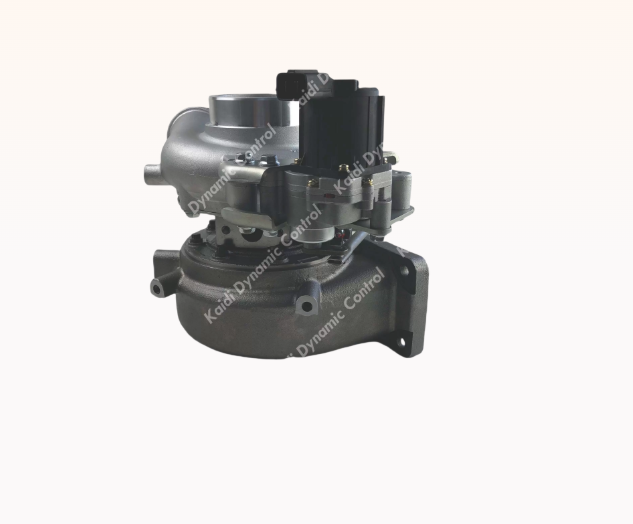
Off-road vehicle turbochargers have become a critical enabling technology in modern industrial powertrains as construction, agriculture, and heavy-duty transport sectors continue to demand higher efficiency and greater power output under increasingly strict environmental regulations. In these applications, off-road vehicle turbochargers are no longer optional performance components but essential systems that support heavy duty engine development strategies focused on fuel efficiency, emissions reduction, and operational durability.
The global shift toward stricter emission regulations has significantly changed how industrial engines are designed. Traditional large-displacement naturally aspirated engines are no longer able to meet modern compliance requirements without sacrificing efficiency or performance. As a result, engine manufacturers have increasingly adopted engine downsizing strategies supported by advanced turbocharging technologies. These systems allow smaller engines to deliver higher torque and power output while maintaining improved fuel efficiency across variable load conditions.
Unlike on-road passenger vehicles, off-road machinery operates under continuous load, unpredictable terrain, and extreme environmental conditions. This includes dust-heavy environments, high vibration levels, long-duty cycles, and low-speed high-torque operation. In such conditions, the role of the turbocharger becomes even more important, as it directly influences engine responsiveness, combustion efficiency, and thermal stability. The turbocharger system in off-road applications must therefore be designed not only for performance but also for durability and operational reliability.
Within modern industrial powertrains, the turbocharger is deeply integrated into the overall engine architecture. It is not simply a component added for performance enhancement but a core subsystem responsible for boost pressure control, air management, and combustion optimization. Its function directly affects engine torque delivery, thermal efficiency, and long-term reliability, making it one of the most important technologies in off-road engine development.
The following sections will systematically explore how off-road vehicle turbochargers operate under heavy load conditions, how they are applied across different industrial sectors, and how engineering design strategies are optimized for construction, agriculture, and heavy-duty engine applications.
Off-road Turbocharger Working Principle in High Load Conditions
Exhaust Energy Utilization Under Continuous Load
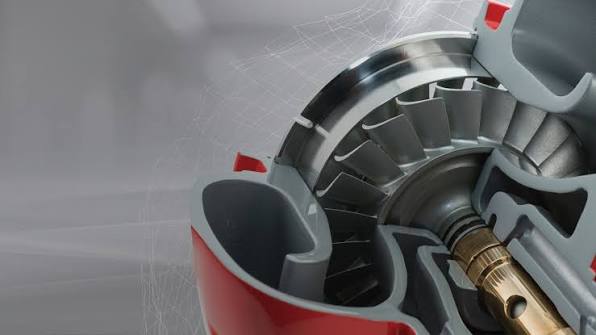
The working principle of off-road vehicle turbochargers is based on exhaust gas energy recovery under continuous high-load operating conditions. In heavy-duty engines, exhaust gases produced during combustion contain significant thermal and kinetic energy. This energy is directed into the turbine housing, where it drives the turbine wheel and initiates mechanical rotation. Unlike passenger vehicle applications, off-road systems operate under sustained load conditions, meaning exhaust energy input remains consistently high for extended periods.
This continuous energy flow allows the turbocharger to maintain stable boost generation even under low engine speeds. The ability to convert waste heat into usable mechanical energy is a key advantage of the turbocharger system in industrial engines, significantly improving overall thermal efficiency.
Boost Generation in Low Speed High Torque Engines
Off-road engines often operate in low-speed, high-torque conditions, especially in construction and agricultural machinery. In these scenarios, boost pressure control becomes essential to ensure sufficient air supply for complete combustion. The compressor side of the turbocharger increases intake air density, enabling higher oxygen availability within the combustion chamber.
This process improves combustion efficiency and allows engines to generate higher torque output without increasing displacement. The result is improved engine downsizing capability while maintaining operational performance under heavy load conditions.
Thermal Stress Behavior in Off-road Operation
Due to continuous operation under high load, thermal stress becomes a significant challenge in off-road turbocharger systems. Exhaust gas temperatures remain elevated for long periods, placing mechanical and material stress on turbine components. Proper thermal management system design is therefore essential to ensure durability and long-term reliability.
Advanced materials and improved cooling strategies are commonly used to maintain stable operation in extreme environments, ensuring that the turbocharger can withstand prolonged industrial usage without performance degradation.
Industry Application Scenarios
Construction Machinery Applications
In construction machinery such as excavators, loaders, and bulldozers, turbocharger applications in construction machinery are primarily focused on delivering stable torque output under varying load cycles. These machines frequently experience rapid load changes, requiring turbo systems that can respond quickly while maintaining boost stability.
The engine must deliver consistent power during digging, lifting, and pushing operations. Therefore, heavy duty turbocharger systems used in construction equipment are optimized for low-speed torque generation and high durability under cyclic load conditions. Turbo lag reduction and boost stability are critical performance requirements in this segment.
Agricultural Machinery Applications
Agricultural machinery such as tractors and harvesters operates under seasonal but highly intensive workloads. In these applications, agricultural turbocharger systems are designed to maximize fuel efficiency while maintaining stable performance during long working hours in field environments.
Fuel efficiency is a key requirement, as agricultural operations often involve extended engine runtime. The turbocharger helps improve combustion efficiency by increasing air density and optimizing air-fuel mixing. This allows engines to deliver consistent performance while reducing overall fuel consumption.
Mining and Heavy Transport Vehicles
Mining trucks and heavy-duty transport vehicles represent one of the most demanding applications for mining truck turbocharger systems. These engines operate under continuous full-load conditions in extreme environments, often including high temperatures, dust exposure, and heavy vibration.
In such applications, durability and reliability are more important than transient response. The turbocharger must maintain stable performance under continuous high pressure and thermal load conditions. Heavy duty engine turbo systems in mining applications are therefore designed with reinforced structures and enhanced thermal resistance capabilities.
Off-road SUVs and Special Vehicles
Off-road SUVs and specialized vehicles require a balance between performance and durability. In these applications, off-road turbocharger applications are focused on providing strong torque output for terrain adaptability while maintaining drivability in mixed driving conditions.
These vehicles often encounter uneven terrain, requiring immediate torque response and stable boost delivery. Turbocharging systems help enhance low-speed torque performance, improving vehicle capability in off-road environments.
Engineering Design Requirements for Off-road Turbo Systems
High Durability Bearing Systems
Durability is a primary requirement for all turbocharger durability systems used in off-road environments. Bearing systems must withstand continuous high-speed rotation under elevated thermal and mechanical stress conditions. Advanced bearing designs reduce friction and improve long-term operational stability.
Thermal Resistance and Cooling Design
Off-road turbochargers operate under extremely high exhaust temperatures, requiring advanced thermal management system integration. Cooling structures are designed to maintain stable temperature distribution across turbine and compressor components, ensuring long-term reliability under heavy load conditions.
Compressor Efficiency Optimization
Compressor design plays a key role in improving airflow efficiency and maintaining stable boost pressure. Optimized compressor maps ensure that the turbocharger operates efficiently across a wide range of engine speeds, improving overall system performance.
Dust and Contamination Protection Systems
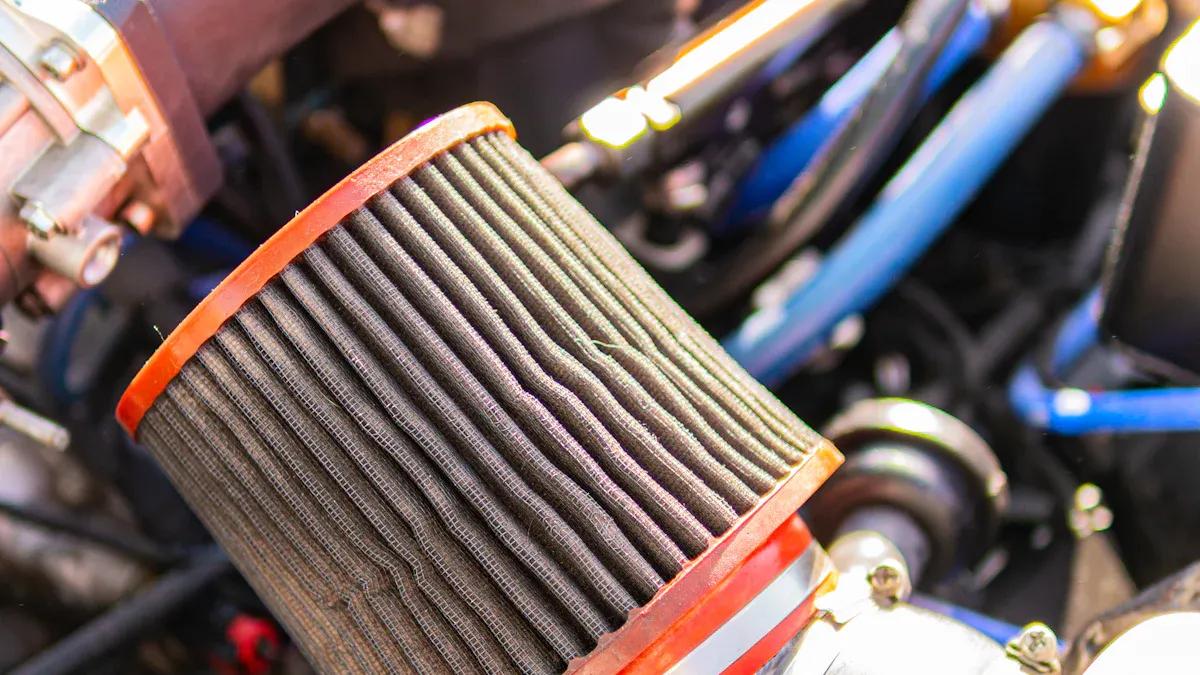
Off-road environments often expose engines to high levels of dust and particulate contamination. Effective air filtration systems are essential to protect compressor components and maintain long-term reliability of the turbocharger system.
Types of Off-road Vehicle Turbochargers
| Type | Feature | Advantage | Limitation |
|---|
| Fixed Geometry | Simple structure | Low cost | Turbo lag |
| Wastegate | Boost control | Stable performance | Limited efficiency |
| VGT | Variable flow | High efficiency | Higher cost |
| Electric Turbo | Electric assist | Fast response | System complexity |
Fixed geometry turbochargers are used in basic systems where cost efficiency is the primary concern. Wastegate systems provide stable boost pressure control and are widely used in standard industrial engines. Variable geometry turbochargers (VGT) are dominant in diesel-based heavy duty turbocharger applications due to their superior efficiency across variable load conditions. Emerging electric turbo systems are increasingly used in hybrid off-road applications to improve transient response.
Performance Challenges in Off-road Conditions
Turbo Lag Under Heavy Load
Turbo lag remains a key challenge in off-road vehicle turbochargers, particularly under rapid load changes. Delayed boost response can affect engine drivability and operational efficiency in industrial environments.
Thermal Fatigue in Continuous Operation
Continuous high-load operation leads to thermal fatigue in turbine components, requiring advanced material solutions and improved cooling strategies.
Air Contamination and Dust Ingestion
Dust and particulate contamination are common in off-road environments, increasing wear on compressor components and reducing system efficiency.
Mechanical Vibration and Structural Stress
Heavy-duty machinery generates significant vibration and mechanical stress, requiring reinforced structural design in turbocharger systems.
Optimization Strategies and System Improvements
Modern turbocharger systems use multiple optimization strategies to improve performance and durability. ECU calibration allows precise boost pressure control, ensuring optimal engine response under varying load conditions.
Variable geometry systems improve airflow control, while electric assist turbo technologies reduce turbo lag and enhance transient response. Improved air filtration systems also play a critical role in maintaining compressor efficiency in dusty environments.
Technology Trends in Off-road Turbocharging
The future of off-road vehicle turbochargers is closely linked to electrification and intelligent control systems. Hybrid and 48V electrical architectures are increasingly used to support electric-assisted turbocharging systems, improving response time and efficiency.
Intelligent ECU-based boost control systems are also becoming more common, enabling real-time adaptation to changing operating conditions. At the same time, advancements in materials science are improving turbine durability under extreme thermal stress conditions.
Low-emission heavy duty engine development continues to drive innovation in turbocharging systems, making them an essential component of future industrial powertrains.
Off-road Vehicle Turbocharger Applications and Value
Off-road vehicle turbochargers play a fundamental role in modern industrial engine systems by enabling high efficiency, strong torque output, and reliable performance under extreme operating conditions. Their applications across construction, agriculture, mining, and specialized off-road vehicles demonstrate their importance in supporting modern heavy duty engine development.
As industrial powertrains continue to evolve toward electrification and intelligent control, turbocharging systems will become increasingly integrated with electronic and hybrid technologies. This evolution ensures that turbocharger systems will remain a core technology in off-road applications for years to come.



 Login
Login