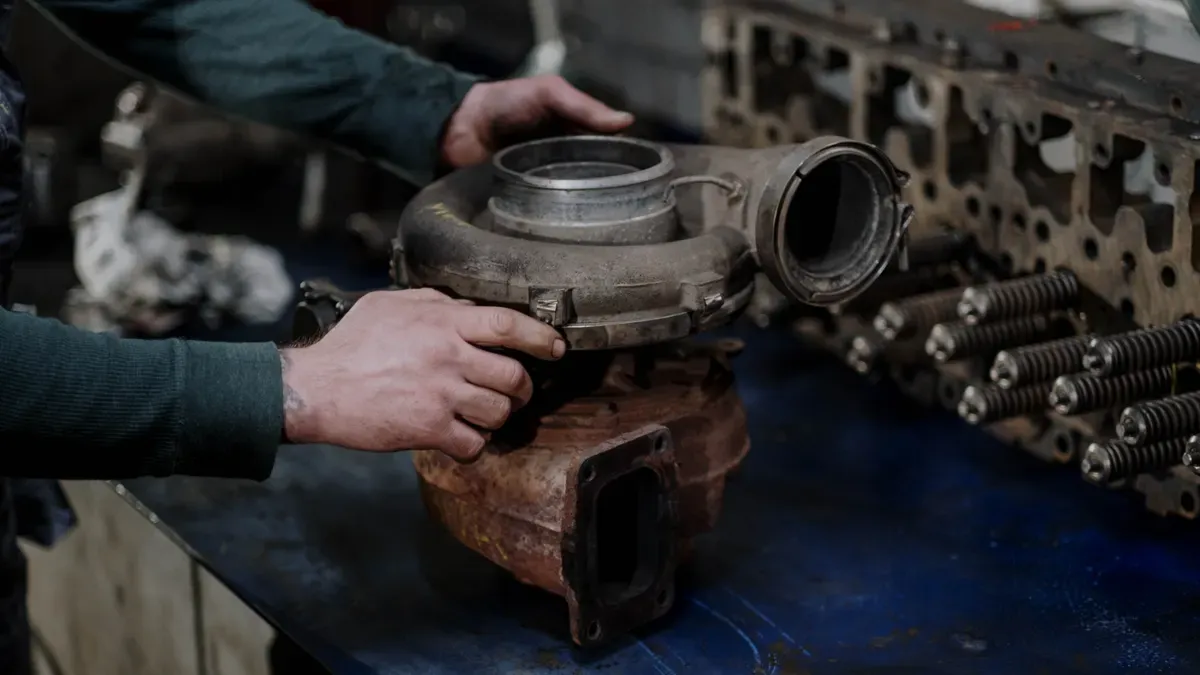
He remembers driving through rough terrain, dust swirling and rocks pounding the undercarriage. The engine kept running strong because he followed the Turbocharger Maintenance Checklist for Off-Road Vehicles. Many drivers worry about keeping their turbocharger reliable in harsh conditions. Kaidi’s Non-road Turbochargers show robust engineering for off-road and industrial engines. Readers will find practical advice and real-world examples throughout this guide.
Why Turbocharger Care Matters Off-Road
Off-Road Stresses on Turbochargers
Off-road environments challenge turbocharged vehicles in ways that regular roads do not. Drivers encounter dust, rocks, and mud that can enter engine compartments. High heat exposure complicates cooling and puts extra strain on turbocharger components. Cold weather limits lubrication, making it harder for oil to flow and protect moving parts. High altitudes change performance because thinner air affects combustion. Moisture and humidity can cause sludge and corrosion inside the turbocharger. These stresses demand careful attention to turbocharger care.
Kaidi Non-road Turbochargers stand out because engineers designed them for harsh conditions. They help engines maintain torque and efficiency even when dust and vibration threaten performance. Agricultural machinery, construction equipment, and other off-road vehicles rely on these turbochargers to keep running strong during long hours and heavy loads.
Off-road turbocharged vehicles face extreme environments. Proper maintenance protects sensitive parts and ensures reliable performance.
Risks of Poor Turbo Maintenance
Neglecting turbocharger maintenance leads to serious problems. The table below shows what can happen when drivers ignore regular care:
Consequence | Description |
Overheating | Sludge buildup restricts oil flow, causing the turbocharger to overheat. |
Carbon buildup | Residual heat bakes oil inside the turbo, creating carbon deposits. |
Reduced performance | Oil leaks cause starvation and decrease engine performance. |
Catastrophic failure | Severe damage from oil leaks can destroy the turbocharger. |
Wear and tear | Lack of maintenance increases wear, shortening turbocharger life. |
Regular maintenance helps manage heat and protects sensitive components. Engines in off-road turbocharged vehicles last longer and perform better when drivers follow a consistent care routine.
Turbocharger Maintenance Checklist for Off-Road Vehicles

A turbocharger maintenance checklist for off-road vehicles helps drivers protect their investment and enjoy a better driving experience. This checklist covers every stage, from pre-trip inspection to regular service. Each step draws on real-world experience and industry best practices.
Pre-Trip Turbo Inspection
Before heading out, drivers should perform a thorough inspection. This step prevents unexpected failures and ensures the turbocharging technology operates at peak efficiency. The following actions form the foundation of a reliable turbocharger maintenance checklist for off-road vehicles:
· Inspect the turbocharger for visible signs of wear or damage.
· Check all hoses and connections for leaks in the intercooler system.
· Look for oil leaks around the turbocharger and associated plumbing.
· Examine the area for debris that could enter the turbocharger.
· Monitor the boost gauge for abnormal boost pressures.
· Confirm the turbocharger is boosting effectively.
Kaidi cross-country vehicle turbocharger use robust materials and reinforced structures. These features resist corrosion and mechanical stress, even in harsh environments. Drivers who follow this checklist benefit from the durability and reliability of advanced turbocharging technology.
Post-Trip Turbo Care
After a demanding off-road trip, post-trip care becomes essential. This part of the turbocharger maintenance checklist for off-road vehicles focuses on preventing long-term damage and maintaining performance.
· Allow the turbocharger to cool down before shutting off the engine. This step prevents oil coking and extends the life of turbocharging technology.
· Check for new oil leaks that may have developed during the trip.
· Inspect the air filter for dust and debris. Clean or replace it if necessary.
· Review the boost gauge readings for any changes during the driving experience.
· Wipe down the turbocharger and surrounding components to remove accumulated dirt.
Drivers who use Kaidi turbochargers notice fewer issues after trips. The reinforced design protects against vibration and impact, which are common in off-road environments.
Regular Turbocharger Service Intervals
Consistent service keeps turbocharging technology running smoothly. A turbocharger maintenance checklist for off-road vehicles should include these regular tasks:
1. Change the oil and oil filter at the intervals recommended by the manufacturer. Clean oil ensures proper lubrication and prevents buildup inside the turbocharger.
2. Inspect and clean the air filter at every oil change. This step improves airflow and protects the turbocharger from contaminants.
3. Check and adjust boost pressure to maintain optimal turbocharger function.
4. Monitor for oil leaks and address them immediately.
5. Follow the manufacturer's turbocharger service schedule to identify potential issues early.
Kaidi turbochargers undergo rigorous testing to simulate harsh conditions. This process helps engineers enhance performance and reliability, which is vital for anyone who relies on turbocharging technology in their driving experience.
Essential Tools and Supplies
Proper tools make every step of the turbocharger maintenance checklist for off-road vehicles easier and more effective. Drivers should keep the following items in their toolkit:
· Medium and small internal snap ring pliers
· Inch-pound torque wrench
· V-block and dial indicator
· Precision bore gauge
· 1-inch micrometer with ten-thousandths readings
For cleaning, use a hot water jet blast with detergent for large parts like the turbine housing and compressor cover. Hand clean the turbine wheel and shaft, taking care not to lose indexing marks. Clean small parts with a solvent cleaner and dry them with shop air.
Kaidi turbochargers set a benchmark for turbocharging technology. Their advanced engineering and OEM quality ensure that every service task supports long-term durability and performance.
Tip: Focus on the complete system, not just individual parts. Regular oil and filter changes, heat management, and careful inspections all contribute to a longer-lasting turbocharger.
A well-maintained turbocharger delivers better power, efficiency, and reliability. By following this turbocharger maintenance checklist for off-road vehicles, drivers can protect their engine and enjoy every adventure with confidence.
Lessons from Real-World Turbocharger Use

Incidents Where the Checklist Worked
Many off-road drivers have faced tough situations where a turbocharger maintenance checklist made a real difference. One driver took his vehicle through deep mud and rocky trails. He checked the oil supply line before the trip. This step stopped dirt from blocking the line. The turbocharger stayed well-lubricated, and the engine ran smoothly all day. Another driver noticed a drop in boost pressure during a climb. He used the checklist to inspect the boost system. He found a loose hose and fixed it before any damage happened.
The table below shows how key maintenance checks protect turbochargers:
Maintenance Check | Importance | Consequence of Neglect |
Inspect oil supply line for restriction | Prevents oil starvation | Can lead to turbocharger bearing failure |
Check boost pressure at full load | Ensures proper turbo function | Avoids excessive boost pressure and potential engine damage |
These examples show that simple checks can prevent big problems. Drivers who follow the checklist avoid costly repairs and keep their vehicles ready for the next adventure.
What Could Have Gone Wrong
Ignoring the checklist can lead to serious trouble. If a driver skips the oil supply line inspection, dirt or sludge may block the line. The turbocharger bearings can fail quickly without enough oil. This failure often means a full turbocharger replacement. Missing a boost pressure check can also cause problems. Too much boost can damage pistons or valves. Too little boost can make the vehicle lose power on steep hills.
Note: Extreme off-road conditions test every part of a vehicle. Regular maintenance checks help drivers spot issues early and protect their investment.
Following a turbocharger maintenance checklist gives drivers peace of mind. It helps them avoid breakdowns and keeps the engine running strong, even in the harshest environments.
Common Turbocharger Mistakes to Avoid
Turbocharger problems often start with simple mistakes. Many drivers overlook basic steps that protect their engine and turbocharger. Off-road vehicles face more risks because of dust, mud, and heavy use. Avoiding these common problems can prevent costly turbocharger failures.
Skipping Simple Checks
Many drivers forget to check the basics before and after each trip. These simple checks can stop big problems from developing. The most frequent mistakes include:
1. Delaying engine oil changes. Dirty oil causes lack of lubrication and leads to turbocharger problems.
2. Shutting off the engine right after hard driving. This can cause oil to burn and form carbon deposits inside the turbo.
3. Ignoring the air filter. A clogged filter allows contamination to enter the turbo, causing damage.
4. Driving aggressively when the engine is cold. This can lead to poor lubrication and early wear.
5. Not checking for oil leaks. Even a small leak can cause oil contamination and reduce turbo life.
"A lot of the debris we see in these cases is because they’ve had an engine failure and the systems that feed the turbo weren’t properly cleaned afterward."
Regular checks help spot problems early and keep the turbocharger running smoothly.
Wrong Fluids or Parts
Using the wrong fluids or parts can quickly lead to turbocharger failures. Off-road vehicles need high-quality oil and filters for proper lubrication. Poor-quality oil cannot handle the high temperatures inside a turbocharger. Using the wrong fuel can also cause engine knocking and other problems.
· High-quality oil and filters are essential for turbocharger performance.
· Using the correct fuel prevents engine problems and keeps the turbocharger safe.
· Proper air filtration stops dust and debris from causing damage.
Drivers should always follow the manufacturer's recommendations for fluids and parts to avoid turbocharger problems.
Ignoring Warning Signs
Many turbocharger problems start with small warning signs. Drivers should watch for these signs to prevent bigger issues:
· Loss of power when accelerating
· Loud whining or rattling noises from the turbocharger
· Colored exhaust smoke, such as blue or black
· Check engine light turning on
· Increased oil consumption
Ignoring these signs can lead to complete turbocharger failure. Early action can save the engine and prevent expensive repairs.
Tip: If the check engine light comes on or the turbo makes strange noises, have the system checked right away.
By avoiding these common mistakes, drivers can protect their turbocharger and enjoy reliable performance on every off-road adventure.
Pro Tips for Turbocharger Longevity
Upgrades and Modifications
Drivers who want to extend the life of their turbocharged engine often look for smart upgrades. High-quality air filters and performance intercoolers help keep the turbocharging system clean and cool. Upgraded oil lines and heat shields protect the turbocharged engine from extreme temperatures. Many off-road enthusiasts choose to install blow-off valves or wastegate upgrades to manage boost pressure more precisely. These modifications support the turbocharging process and reduce stress on the turbocharged engine.
Kaidi’s Non-road Turbochargers set a high standard for reliability. Their advanced engineering and OEM manufacturing ensure that every turbocharging component works together for maximum durability. When drivers select upgrades, they should choose parts that match the quality of Kaidi’s turbocharging systems. This approach helps the turbocharged engine handle tough conditions and heavy loads.
The leading cause of turbocharger issues is often linked to the owner's neglect, particularly due to infrequent oil changes that result in oil coking, leading to impeller seizure.
Regular oil changes and the use of high-quality synthetic oil are essential for turbocharging longevity. These habits prevent oil starvation and excessive wear inside the turbocharged engine.
Monitoring Turbo Performance
Monitoring turbo performance is key to preventing unexpected breakdowns in off-road environments. Drivers should watch for unusual noises, smoke, oil leaks, and gradual power loss. These signs often point to problems in the turbocharging system. Ignoring early warning signs can lead to catastrophic engine damage, oil contamination, and high repair costs.
· Early detection of issues can save costs.
· Prevents extensive engine damage.
· Reduces downtime and lost revenue.
Drivers should perform regular inspections to ensure the turbocharged engine runs smoothly. Maintaining proper lubrication protects the turbocharging system’s oil and air seals. Kaidi’s turbocharging technology makes monitoring easier by providing stable and reliable performance, even in harsh environments.
A well-maintained turbocharged engine delivers strong power and efficiency. By following these pro tips, drivers can enjoy the benefits of turbocharging for many years.
Consistent turbocharger maintenance gives off-road vehicles lasting power and reliability. A regular checklist helps drivers avoid costly engine damage and keeps every trip safe. The table below shows how a maintenance routine brings long-term savings and power:
Benefit | Explanation |
Reliability and Durability | Quality turbochargers withstand harsh conditions, reducing breakdowns and repair costs. |
Optimal Performance and Fuel Efficiency | Properly functioning turbos enhance fuel economy, leading to savings that offset initial costs. |
Reduced Downtime Costs | Reliable turbos minimize unexpected failures, preventing costly downtime and associated losses. |
Resale Value | Trucks with quality parts maintain better resale value, making them a smarter long-term investment. |
A maintenance checklist also reduces the risk of catastrophic engine failure. The table below highlights key activities that protect the turbocharger and maintain power:
Maintenance Activity | Purpose | Frequency |
Water Washing | Routine cleaning to maintain efficiency and prevent fouling | Every 200-250 hours |
Dry Cleaning | Address hard deposits to ensure optimal performance | As needed at full load |
Chemical Cleaning | Deep cleaning during major overhauls using OEM-approved agents | Every 8,000-16,000 hours |
Major Overhauls | Complete disassembly, inspection, and maintenance to prevent failures | Every 8,000-16,000 hours |
Regular Inspections | Systematic checks to identify potential issues before they escalate | Periodically as per checklist |
Kaidi Non-road Turbochargers deliver the power needed for tough jobs. Their engineering ensures every vehicle keeps its power, even in harsh environments. Drivers who use the checklist and trust proven products like Kaidi protect their investment and keep their power strong. They should start using the checklist today and share their own stories about how maintenance helped them keep their power on every adventure.



 Login
Login