

 Login
Login
Industry News4 min reading time | 28/02/2025
Does the turbocharger of a turbocharged engine need to be replaced after prolonged use?
Find out more about our news >

Agricultural vehicle turbochargers force compressed air directly into engine cylinders to optimize the air-fuel ratio. This dense air delivery ensures complete combustion inside the cylinder chamber during daily field operations. Complete burning maximizes power output while significantly decreasing specific fuel consumption during heavy workloads. Farm managers, fleet equipment operators, and service technicians achieve direct cost-reduction benefits through improved tractor fuel efficiency. Higher mechanical output minimizes diesel consumption under continuous heavy load conditions across challenging agricultural fields. Proper airflow enhancement upgrades overall machinery performance and protects critical engine components from unnecessary operational stress. Consequently, optimized air delivery delivers consistent work output while maintaining strict operating budgets.

Agricultural vehicle turbochargers improve engine power output by forcing extra oxygen into the combustion chambers. Naturally aspirated powerplants rely strictly on atmospheric pressure to draw intake air inside during suction strokes. This atmospheric limitation starves heavy agricultural engine systems during continuous heavy field work. Dense compressed air changes this intake dynamic completely. The turbocharger compressor wheel packs air molecules tightly together before sending air into each cylinder chamber. Forced induction delivers a constant supply of pressurized air regardless of working load fluctuations.
This elevated oxygen density optimizes the internal air-fuel ratio. Diesel fuel burns completely when surrounded by abundant oxygen molecules. Complete combustion releases maximum energy from every single drop of fuel. Unburnt fuel creates black smoke and excessive operational waste. Maximizing the burn thoroughness eliminates this waste during continuous operations. Modern turbocharged diesel engines convert chemical energy into clean rotational force with great effectiveness. Efficient air delivery prevents soot accumulation inside exhaust manifolds and protects internal mechanical parts from thermal degradation.
Lower fuel consumption directly reduces overall operational expenses across busy harvesting seasons. Complete combustion lowers specific fuel consumption under persistent pulling strains. Heavy tillage equipment demands continuous high efficiency under severe field burdens. Kaidi agricultural vehicle turbochargers feature rugged housings engineered specifically for harsh, dusty farming environments. These turbo systems deliver exceptional airflow stability to maintain peak torque output during tough soil operations. Stable boost pressure preserves momentum when implements encounter variable soil resistance across expansive farm fields.
Standard diesel machinery dumps hot pressurized exhaust gases directly into the atmosphere through tailpipes. Turbocharged engines recover this wasted kinetic energy to perform useful mechanical work. Thermal energy within hot exhaust gases expands rapidly through the turbine housing. This expanding gas flow spins the turbine wheel at extremely high rotational speeds. Mechanical shafts transfer this rotational motion straight to the intake compressor wheel without draining machinery output.
Variable geometry turbocharging optimizes exhaust energy conversion in agricultural machinery through a precise process:
1. At low engine speed, the nozzle ring is pushed to the right, reducing the cross-sectional area and the A/R ratio.
2. This reduction forces an increase in exhaust gas velocity.
3. The higher velocity causes the turbocharger to spin faster.
4. The faster spinning increases the intake air boost, improving low-end torque and engine response.
5. This mechanism is used in diesel applications (e.g., Scania engines) to optimize performance across the working speed range, which directly applies to agricultural equipment diesel engines.
Driving the intake compressor with recycled exhaust pressure removes mechanical parasitic drag from the machinery crankshaft. The system generates reliable engine power and achieves maximum power without sacrificing shaft energy to run air intake pumps. Maximized boost pressure delivers maximum power right when heavy field implements slow the tractor momentum. Efficient energy recovery improves overall fuel efficiency while extending active machinery operating range. Reduced fuel consumption protects equipment operating budgets while providing dependable power output during critical planting seasons. Continuous thermal recycling transforms wasted exhaust heat into effective field performance year after year.

Demanding field tasks require reliable engine power under challenging agricultural conditions. Machinery frequently encounters tough soils, dense roots, and steep field slopes during disking, bottom plowing, and crop harvesting. Turbocharged tractor engines handle these grueling tasks with exceptional operational strength and mechanical efficiency. Forced air induction delivers pressurized oxygen to sustain maximum power output when heavy soil resistance slows implement movement. This reliable power results in uninterrupted field operations, reduced operational costs, and higher productivity across demanding agricultural workloads.
Modern equipment requires optimal energy output during every single agricultural operation. Turbocharged engines consume significantly less fuel per unit of engine power than larger naturally aspirated powerplants. For example, an 80hp naturally aspirated engine burns over 2 gallons per hour, whereas a 26hp turbocharged model burns only 0.5 gallons per hour under load. Modern agricultural tractors rely on efficient forced induction systems to lower total operational fuel consumption during continuous field duties.
Engine Configuration | Fuel Injection Level | Key Specific Fuel Finding |
Naturally Aspirated (C2) | Increased | Serves as the baseline consumption level |
Turbocharged (C4) | Standard | Yields lower burn rates than C2 baseline |
Turbocharged (C3) | Increased | Achieves the lowest overall burn rate |
Turbocharging combined with increased fuel injection achieves the lowest specific fuel consumption by improving total thermal efficiency and optimizing the stoichiometric air-fuel ratio. Kaidi agricultural vehicle turbochargers optimize this complete combustion process during continuous heavy operations. These durable systems maintain broad machinery compatibility across major platforms, including equipment powered by International Harvester and Shibaura machinery. Proper turbocharging upgrades fuel utilization efficiency across all working conditions.
Demanding field work requires substantial engine torque at low rotational speeds. Pulling heavy implements through dense clay or wet ground creates sudden towing resistance. Turbocharged machinery supplies strong low-end torque to maintain implement momentum without stalling the agricultural engine. High low-speed engine performance offers distinct operational advantages during heavy field work:
· Delivers stable power output for high-resistance operations like deep plowing and rotary tillage.
· Reduces the need for frequent gear shifting during variable soil conditions.
· Ensures stronger traction continuity across steep slopes and challenging terrain.
High low-end force prevents destructive engine lugging and minimizes overall mechanical strain on vital drivetrain components. Compact turbocharged engines deliver maximum power while outperforming larger naturally aspirated powerplants during deep soil tillage. Equipment operators run machinery at lower shaft speeds to protect internal engine parts from extreme thermal stress and mechanical wear. Lower rotational speeds reduce structural vibration and extend machinery service life across long harvesting seasons. Consequently, operators secure peak tractor performance and working output during daily field operations. Enhanced air induction provides smooth torque curves under changing ground loads. Modern farms increase daily output while managing total fuel expenditures effectively.
Proper boost regulation maintains optimal cylinder pressures during extended field sessions. Stable intake airflow protects engine components against excessive soot buildup and carbon deposits. Modern farming fleets depend on turbocharged systems to maintain high field capacity during peak planting windows, ensuring maximum operational reliability throughout every single season.
Modern turbocharged engines rely on advanced Electronic Control Modules (ECM) to orchestrate internal combustion processes. Sensors continuously collect real-time operational data regarding system temperatures, cylinder manifold pressures, and crankshaft positions. The ECM processes this incoming sensor data to execute split-second adjustments to injection systems and turbocharging components. In modern common rail designs, high-pressure common rails maintain pressure exceeding 30,000 PSI. Microsecond timing errors create significant combustion inefficiencies at such extreme operating pressures.
The ECM actively manages boost pressure to maintain optimal air-fuel ratios through three integrated functions:
· Real-Time Monitoring & Adjustment: The control unit reads continuous sensor inputs and adjusts variable geometry vanes or wastegate actuators to match exact boost targets.
· Optimization via Tuning: Refined engine calibrations align target boost pressure with precise injection timing to achieve complete chemical energy release.
· Application-Specific Benefits: Customized calibrations deliver consistent low-end torque during heavy field applications, which directly lowers overall fuel consumption.
Agricultural equipment frequently experiences severe load shifts during continuous field work. Sudden acceleration or increased implement resistance demands rapid power changes from the powerplant. Older diesel machinery suffers from noticeable boost lag during quick operational shifts. This momentary airflow delay starves cylinder chambers of critical oxygen molecules. Unburned diesel spray creates dense black exhaust smoke and causes substantial operational waste.
Closed-loop feedback mechanisms in modern turbo systems eliminate this power delay completely. The ECM modulates variable geometry vanes to increase exhaust gas velocity across the turbine wheel. Higher gas velocity spins the turbine faster and forces dense intake air into the cylinders. Rich oxygen supplies combine with precise injection timing to burn every atom cleanly. Eliminating unburnt spray prevents harmful carbon deposits inside internal combustion chambers. Proper boost control optimizes engine performance while maintaining dependable power delivery across variable soil conditions. Farm managers maximize daily field work, protect internal engine components, and reduce total fuel consumption in modern turbocharged engines.
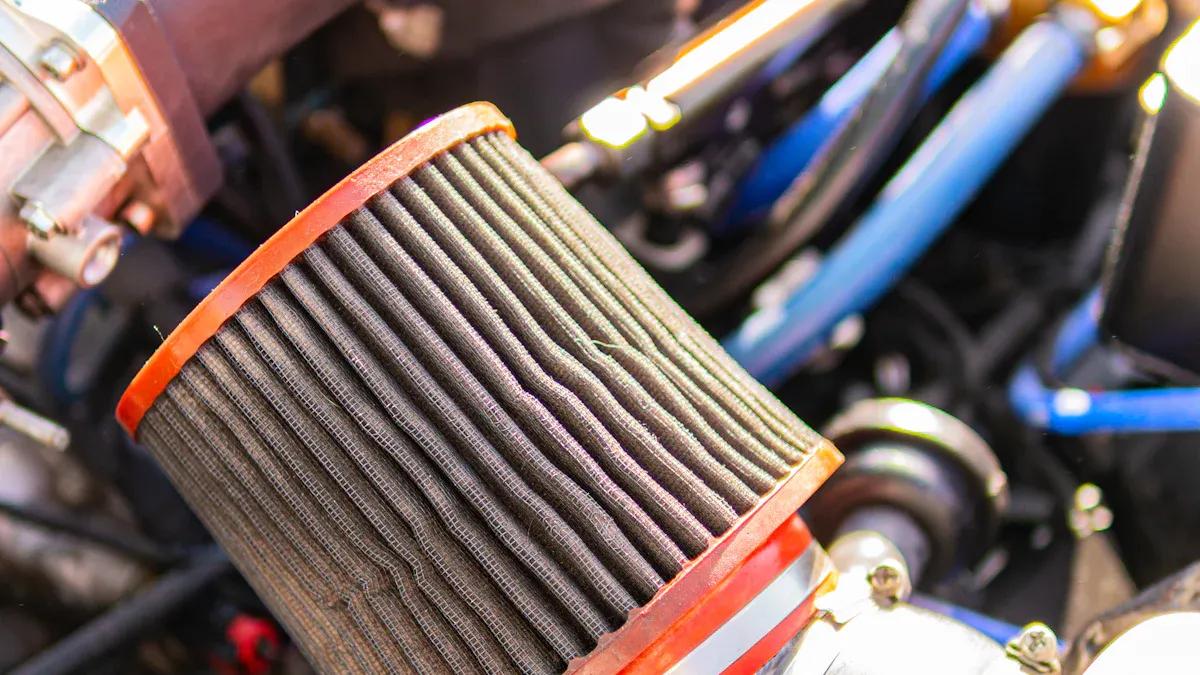
Proper maintenance protects internal components and sustains high engine performance during demanding operations. Dirty air filters cause high intake restriction, forcing the engine to work harder and raising exhaust gas temperatures. Fine dust particles act as abrasives against compressor blades spinning over 100,000 RPM, causing micro-abrasions. Restricted air intake disrupts the air-to-fuel ratio, causing over-fueling and higher fuel consumption.
Impact Category | Mechanism and Result |
Turbocharger Efficiency | High intake restriction raises Exhaust Gas Temperatures and causes thermal stress. Abrasive dust damages blades spinning over 100,000 RPM. |
Engine Fuel Consumption | Air restriction forces over-fueling, compromises combustion efficiency, increases operational costs, and drives up fuel consumption. |
Clean engine oil ensures long service life for high-speed turbo systems. Operators must use recommended oil grades, such as 15W40 for older diesel tractors, alongside fresh filters. Clean oil prevents bearing failure and maintains operational efficiency under continuous field load. Technicians must inspect intake pipes, couplers, oiling systems, and wastegates regularly.
With good maintenance, the turbo should last to 10,000 hrs or more.
Correct thermal management protects critical power components during daily startup and shutdown routines. Operators should let the engine idle at low speeds, around 950 rpm, for 1-5 minutes after starting. This idle period ensures proper oil circulation through internal galleries before severe agricultural loads hit the drivetrain.
Procedure | Key Action | Rationale / Source |
Warm-up (General) | Idle engine at low RPM (950 rpm) for 1-5 minutes after starting. | Manufacturer manual recommendation; ensures proper oil circulation before load. |
Cool-down (Turbocharged) | Idle engine for a short period (a few seconds to 2 minutes) before shutdown. | ModMech expert advice; allows turbo to spin down with oil flow, preventing bearing damage. |
Critical Warning | Never rev a turbocharged engine immediately before shutdown. | ModMech test; revving cuts oil supply while blades spin fast, causing rapid wear. |
Allowing a cool-down period preserves vital mechanical parts. Operators must return the engine to idle for a period between a few seconds and 2 minutes after heavy tasks. This practice lets the turbocharger spin down safely while receiving pressurized oil flow. Operators must never rev a turbocharged tractor engine right before shutting off ignition. Revving cuts oil supply while blades spin rapidly, causing accelerated bearing destruction. Proper operational cycles maximize equipment lifespan and protect overall investment value.
Agricultural vehicle turbochargers maximize engine energy conversion to transform modern tractor operations. Superior intake airflow boost delivers an 18% fuel efficiency improvement while generating reliable power under demanding daily agricultural conditions. Reduced fuel consumption directly lowers total operating expenditures for modern farming machinery fleets.

Diligent preventative maintenance routines protect vital engine components against severe mechanical wear and excessive thermal stress. Installing quality OEM-level replacement components sustains outstanding tractor performance during peak planting seasons. Equipment operators and fleet managers secure lasting operational cost reductions and lower overall resource consumption through optimized engine air delivery.