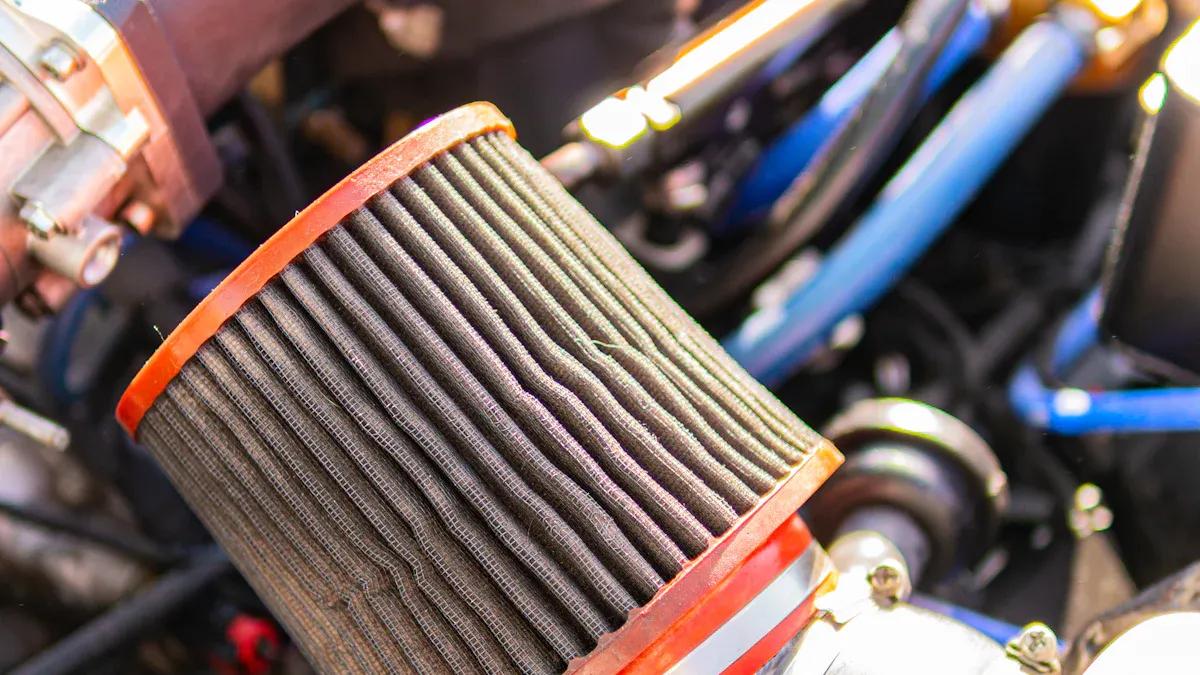
Passenger Vehicle Turbocharger in Modern Automotive Industry
Passenger vehicle turbocharger technology has become a defining element in modern automotive engineering as global vehicle manufacturers continue to shift toward more efficient and lower-emission powertrain systems. Over the past decade, the automotive industry has undergone a structural transformation driven by increasingly strict emission regulations, rising fuel consumption standards, and consumer demand for improved performance in smaller engines. These combined pressures have accelerated the widespread adoption of engine downsizing strategies, where automakers reduce engine displacement while maintaining or increasing output through advanced forced induction systems such as the passenger vehicle turbocharger.
Engine downsizing is not simply a design preference but a regulatory and efficiency-driven necessity. Governments across major automotive markets continue to enforce stricter fuel efficiency and emission regulations, requiring manufacturers to significantly reduce CO₂ emissions across their fleets. In this context, traditional large displacement naturally aspirated engines are no longer viable as mainstream solutions. The passenger vehicle turbocharger provides a practical engineering pathway to solve this contradiction by enabling smaller engines to produce higher power output without proportional increases in fuel consumption.
At the same time, naturally aspirated engines are being replaced by turbocharging systems in modern automotive design, marking a fundamental shift in powertrain development philosophy. Instead of relying solely on engine displacement for power generation, modern engines increasingly depend on exhaust energy recovery and controlled air compression. This transition reflects a broader automotive powertrain evolution where efficiency, emissions, and performance must be balanced simultaneously rather than independently optimized.
Within this evolving landscape, the passenger vehicle turbocharger is no longer viewed as an auxiliary performance enhancement component but as an integrated subsystem within the overall engine architecture. It plays a critical role in combustion efficiency improvement, boost pressure control, and thermal energy utilization. Rather than operating as a standalone mechanical device, it functions as a core part of the powertrain system, deeply integrated with engine control units and fuel injection strategies.
The engineering value of turbocharging lies in its ability to convert otherwise wasted exhaust gas energy into usable mechanical boost pressure, improving both thermal efficiency and engine power output. This dual benefit makes turbocharging one of the most effective technologies supporting modern automotive sustainability goals while maintaining high performance expectations. The following sections will explore the working principles, system structure, and practical applications of passenger vehicle turbocharger technology in detail.
What Is a Passenger Vehicle Turbocharger
A passenger vehicle turbocharger is a forced induction device designed to increase the efficiency and power output of an internal combustion engine by utilizing exhaust gas energy to compress incoming air. Unlike mechanically driven superchargers that rely on crankshaft power, a turbocharger operates using energy recovered from engine exhaust gases, making it a highly efficient energy conversion system within automotive engineering.
The system is composed of two primary functional sections: a turbine side and a compressor side. The turbine side is exposed to high-temperature exhaust gases exiting the engine combustion chamber. These gases carry significant thermal and kinetic energy, which is used to rotate the turbine wheel at extremely high speeds. This rotational energy is transferred through a shared shaft to the compressor side of the system.
The compressor side draws in ambient air and compresses it before delivering it into the engine intake manifold. By increasing the density of intake air, the turbocharger enables a higher concentration of oxygen molecules within the combustion chamber. This allows more fuel to be burned efficiently, resulting in increased engine power output without increasing engine displacement.
The core function of a passenger vehicle turbocharger can be understood through its three primary engineering objectives:
- increase air density for combustion
- improve engine efficiency
- enhance power output without increasing displacement
These functions collectively enable engine downsizing strategies while maintaining performance expectations. As a result, turbocharging has become a fundamental technology in modern passenger vehicle engine design.

How Passenger Vehicle Turbocharger Works
The working principle of a passenger vehicle turbocharger is based on continuous energy conversion between exhaust gas flow and mechanical air compression. This process begins in the engine exhaust system, where combustion gases exit the cylinder at high temperature and pressure. These gases are directed into the turbine housing, where they strike the turbine blades and cause rapid rotation of the turbine wheel. This stage represents the fundamental energy recovery mechanism of the system.
As the turbine wheel rotates, mechanical energy is transmitted through a central shaft connecting the turbine and compressor wheels. This shaft transmission system ensures that any increase in turbine speed directly increases compressor wheel speed. The compressor wheel, in turn, draws in ambient air and compresses it into a higher-pressure state before delivering it into the intake system. This continuous mechanical linkage is what enables the turbocharger to operate as a self-sustaining boost system once sufficient exhaust energy is available.
The air compression process significantly increases intake air density, allowing more oxygen to enter the combustion chamber during each engine cycle. This improved air-fuel mixture results in more complete combustion and higher thermal efficiency. However, compression also increases air temperature, which can reduce density efficiency. To address this issue, many passenger vehicle turbocharger systems incorporate intercooling mechanisms that reduce intake air temperature before it enters the engine, thereby restoring air density and improving combustion stability.
Boost pressure must be carefully controlled to prevent engine damage and maintain performance stability. This is achieved through a wastegate system that regulates the amount of exhaust gas flowing into the turbine. The wastegate is typically controlled by the engine control unit, which continuously adjusts boost levels based on engine load, speed, and temperature conditions. This ECU-based feedback control system ensures that turbocharger performance remains optimized across a wide range of driving conditions.
The complete energy flow process of a passenger vehicle turbocharger can be summarized as:
Exhaust Gas Energy → Turbine Rotation → Shaft Transmission → Compressor Air Intake → Boost Pressure Generation
This continuous cycle allows the engine to recover energy that would otherwise be lost and convert it into usable mechanical performance.
Key Components of Turbocharger System
The passenger vehicle turbocharger system consists of multiple precision-engineered components designed to operate under extreme thermal and mechanical conditions.
The turbine housing directs high-temperature exhaust gases toward the turbine wheel while maintaining structural integrity under extreme heat exposure. It plays a critical role in converting exhaust energy into rotational mechanical force.
The compressor housing serves as the intake air channel, guiding air into the compressor wheel and managing airflow compression efficiency. It is designed to withstand high-pressure airflow conditions while minimizing aerodynamic losses.
The shaft and bearing system connects the turbine and compressor wheels, enabling high-speed rotation while minimizing friction and mechanical wear. This component operates under extreme rotational speeds and requires precise balancing to ensure long-term durability.
The actuator system controls the movement of wastegate or variable geometry mechanisms, allowing real-time adjustment of boost pressure based on engine operating conditions. It is typically governed by electronic control signals from the ECU.
The lubrication and cooling system ensures thermal stability and mechanical reliability by providing continuous oil flow to reduce friction and dissipate heat generated during high-speed operation.
Each component contributes to the overall efficiency and durability of the passenger vehicle turbocharger system, enabling stable performance across varying engine loads and driving conditions.
Types of Passenger Vehicle Turbochargers
Passenger vehicle turbochargers can be categorized into several major types based on airflow control mechanisms and system design architecture.
Fixed geometry turbochargers use a simple turbine design with a fixed exhaust flow path. They offer low manufacturing cost and structural simplicity but are limited by slower response at low engine speeds due to restricted airflow adaptability.
Wastegate turbochargers introduce a pressure regulation mechanism that controls exhaust gas flow into the turbine. This allows stable boost pressure control and is widely used in gasoline passenger vehicle applications where reliability and cost efficiency are key considerations.
Variable geometry turbochargers introduce adjustable turbine vanes that dynamically control exhaust gas flow angles. This design significantly improves efficiency across a wide operating range and enhances low-speed torque performance, making it highly suitable for modern engine downsizing strategies.
Emerging electric turbo systems integrate electric motors to assist turbine acceleration. These systems, often supported by 48V electrical architectures, reduce turbo lag and improve transient response significantly.
| Type | Feature | Advantage | Limitation |
|---|
| Fixed Geometry | Simple structure | Low cost | Turbo lag |
| Wastegate | Pressure control | Stable performance | Limited efficiency range |
| VGT | Adjustable vanes | High efficiency | Higher cost |
| Electric Turbo | Electric assist | Fast response | Complex system |
Variable geometry and electric assisted systems represent the future direction of passenger vehicle turbocharger development as automotive systems move toward electrification and intelligent control integration.
Integration with Automotive Engine Systems
The passenger vehicle turbocharger operates as an integrated subsystem within the broader automotive engine architecture rather than as an independent mechanical component.
Engine matching is a critical design process where turbocharger performance characteristics are aligned with engine displacement, combustion chamber design, and airflow requirements. This ensures optimal efficiency and stable performance across all operating conditions.
The ECU control system plays a central role in regulating boost pressure in real time. Through sensor feedback loops, it continuously monitors engine speed, load conditions, intake pressure, and temperature, adjusting turbocharger output dynamically to maintain optimal combustion efficiency.
Thermal management integration is equally important, as turbocharging significantly increases both exhaust and intake temperatures. Cooling systems must be carefully designed to maintain thermal stability, prevent overheating, and ensure consistent engine performance under high load conditions.
Applications in Passenger Vehicles
The passenger vehicle turbocharger is widely applied across multiple vehicle categories due to its adaptability and performance efficiency.
In small displacement passenger cars, typically ranging from 1.0L to 1.5L engines, turbocharging enables manufacturers to achieve strong fuel economy while maintaining acceptable acceleration performance for urban driving environments. These systems are optimized for efficiency rather than maximum output.
In SUVs and crossover vehicles, turbochargers provide essential low-end torque required for heavier vehicle masses and demanding driving conditions such as uphill climbing or full-load acceleration. The ability to generate high torque at low engine speeds makes turbocharging particularly valuable in this segment.
Performance vehicles utilize high boost pressure systems to deliver rapid acceleration response and enhanced driving dynamics. In these applications, turbocharging is optimized for power output and transient response.
Hybrid vehicles combine turbocharged internal combustion engines with electric propulsion systems, enabling optimized energy distribution and improved overall efficiency across different driving modes. This synergy allows for both performance and sustainability benefits.
Performance Challenges and Optimization
Despite its advantages, turbocharging technology presents several engineering challenges.
Turbo lag remains one of the most significant issues, caused by the delay between throttle input and turbine acceleration response. This affects vehicle drivability and transient performance.
Thermal stress is another critical challenge, as high exhaust gas temperatures place significant strain on turbine materials and system components.
Efficiency loss may occur when operating outside optimal compressor performance zones, particularly under low engine speed conditions.
To address these challenges, modern engineering solutions include variable geometry turbochargers, electric assisted turbo systems, and advanced ECU calibration strategies that optimize boost response and airflow control.
Technology Trends in Turbocharging
The future of passenger vehicle turbocharging is closely linked to automotive electrification and intelligent control systems.
Electrification of turbo systems through 48V architectures enables electric assistance to turbine acceleration, significantly reducing turbo lag and improving responsiveness.
Smart boost control systems driven by ECU adaptive algorithms allow real-time optimization of turbocharger performance based on driving behavior and environmental conditions.
Material innovation is also advancing rapidly, with high-temperature alloys and ceramic bearing systems improving durability and reducing mechanical losses under extreme operating conditions.
Passenger Vehicle Turbocharger Role in Modern Automotive Engine Systems
The passenger vehicle turbocharger has become a foundational technology in modern automotive engine systems by enabling the balance between performance, efficiency, and emissions compliance. Through the recovery of exhaust gas energy and conversion into usable boost pressure, it supports engine downsizing strategies while maintaining strong driving performance.
As automotive technology continues to evolve toward electrification and intelligent control systems, turbocharging will further integrate with hybrid powertrains, electric assist systems, and advanced ECU-driven control strategies. This evolution ensures that the passenger vehicle turbocharger will remain a core component in future automotive engineering development.



 Login
Login